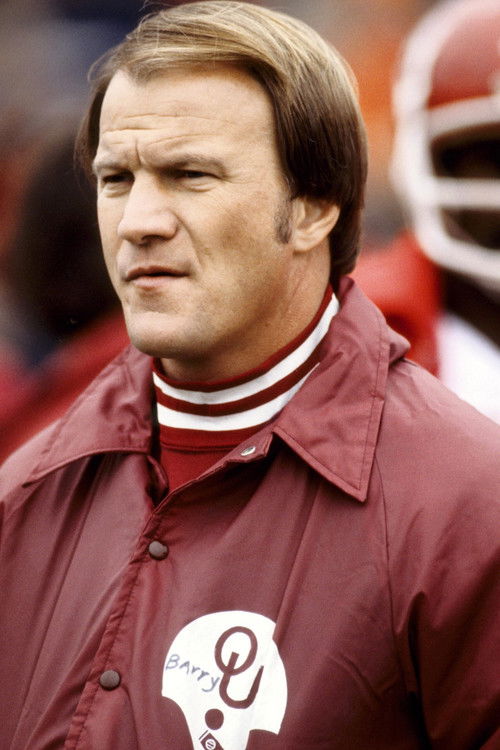
Barry Switzer
Born October 5, 1937, in Crossett, Arkansas, Barry Layne Switzer grew up under difficult circumstances, losing his mother to suicide in 1959 and his father to murder in 1972. He accepted an athletic scholarship to the University of Arkansas, where he played center and linebacker, joined Pi Kappa Alpha fraternity, and served as a "Tri-Captain" during his senior season in 1959. He led the Razorbacks to a 9-2 record, a share of the Southwest Conference championship, and a victory over Georgia Tech in the 1960 Gator Bowl, finishing ranked ninth nationally in head coach Frank Broyles' second season. After graduation and a brief stint in the U.S. Army, Switzer returned to Arkansas as an assistant coach under Broyles. In 1966, Switzer moved to the University of Oklahoma as an assistant under head coach Jim Mackenzie. Following Mackenzie's fatal heart attack in 1967, Switzer continued as offensive coordinator under Chuck Fairbanks. Coaching strengths included exceptional recruiting ability, particularly in Texas, innovative offensive schemes, and the capacity to build deep personal relationships with players. As offensive coordinator, Switzer perfected the wishbone offense, developing it into the most prolific rushing attack in college football history. Under his coordination, Oklahoma set an NCAA rushing record of 472 yards per game in 1971 and scored over 500 points in both 1971 and 1986. Switzer became Oklahoma's head coach in 1973 and led the Sooners to undefeated seasons in 1973 and 1974, winning national championships in 1974, 1975, and 1985. The team won or shared the Big Eight Conference championship every year from 1973 to 1980. During a 1972 game against Ole Miss while serving as offensive coordinator, Switzer's wishbone attack orchestrated a dramatic last-second victory when quarterback hit running back Brad Davis for a touchdown as time expired, winning 17-16. His 1985 national championship team featured future NFL stars Keith Jackson, Jamelle Holieway, and Brian Bosworth. After resigning from Oklahoma in 1989 amid NCAA probation, Switzer was hired by the Dallas Cowboys in 1994, succeeding Jimmy Johnson. He led Dallas to victory in Super Bowl XXX against the Pittsburgh Steelers, making him the second coach to win both a college national championship and a Super Bowl. Switzer compiled a 157-29-4 record (.837 winning percentage) at Oklahoma and 45-26 (.634) in the NFL, ranking among the highest winning percentages in college football history. He was inducted into the College Football Hall of Fame in 2002.
Filmography
16 titles- 2025
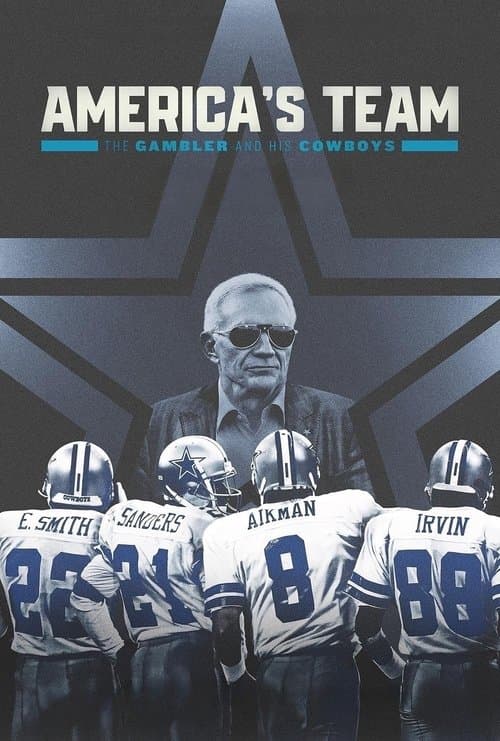 America's Team: The Gambler and His CowboysSelfIMDb 7.3Show
 - 2019
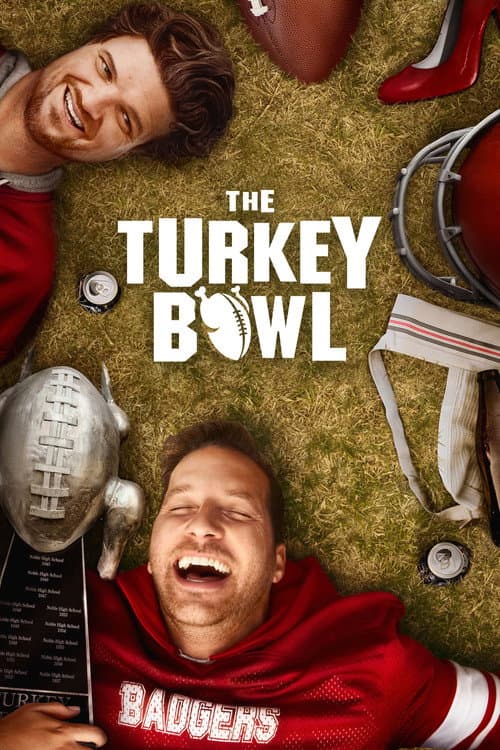 The Turkey BowlCoachIMDb 5.0Movie
 - 2019
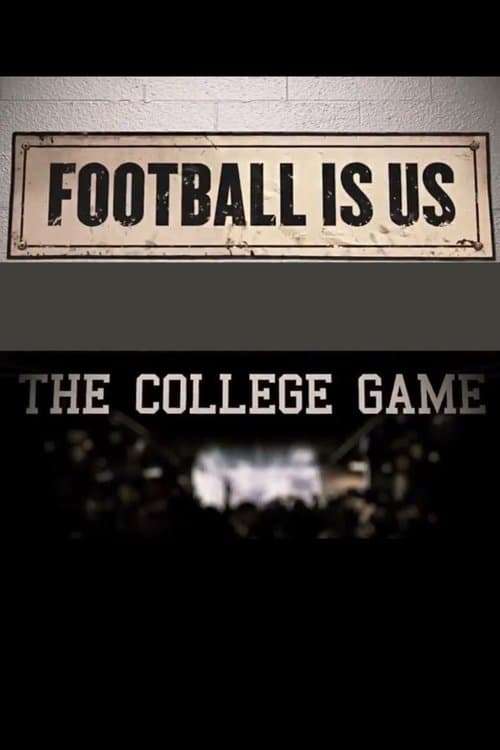 College Football 150 - Football Is US: The College GameSelfMovie
 - 2017
 Lazy CirclesNarratorMovie
 - 2014
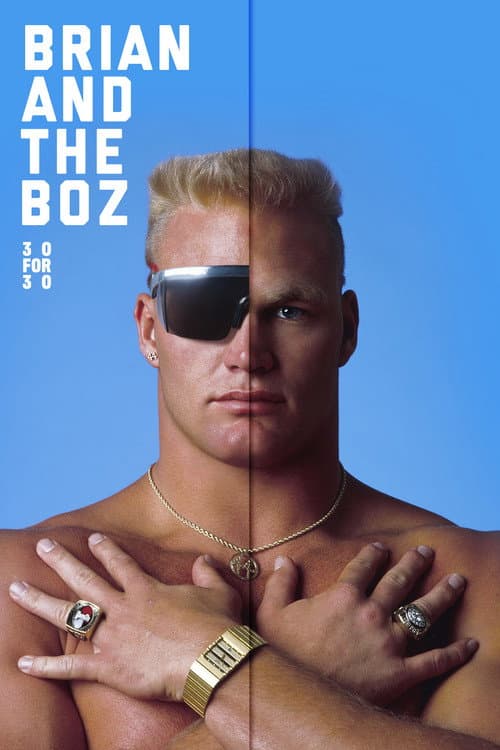 Brian and the BozSelfIMDb 7.0Movie
 - 2010
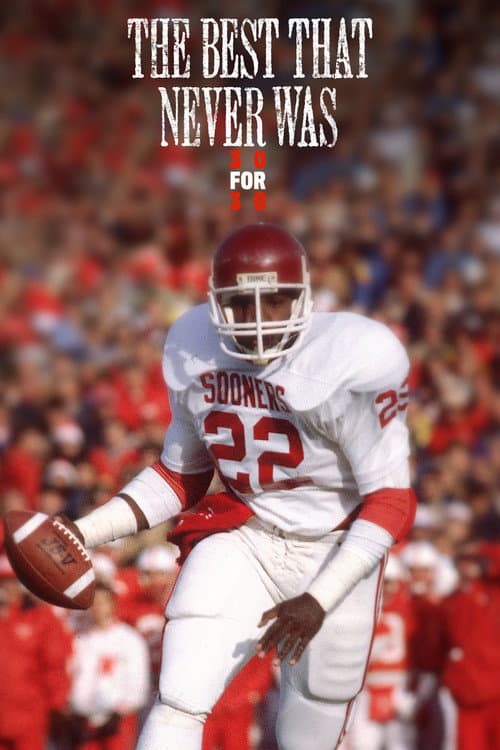 The Best That Never WasSelfIMDb 6.9Movie
 - 2007
 Saving GraceSelfIMDb 7.4Show
 - 2006
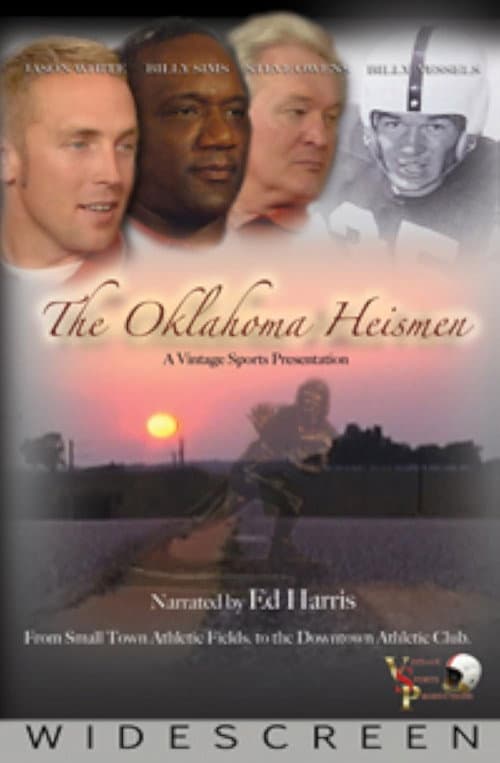 The Oklahoma HeismanSelfMovie
 - 2004BCS Selection ShowShow
- 1999
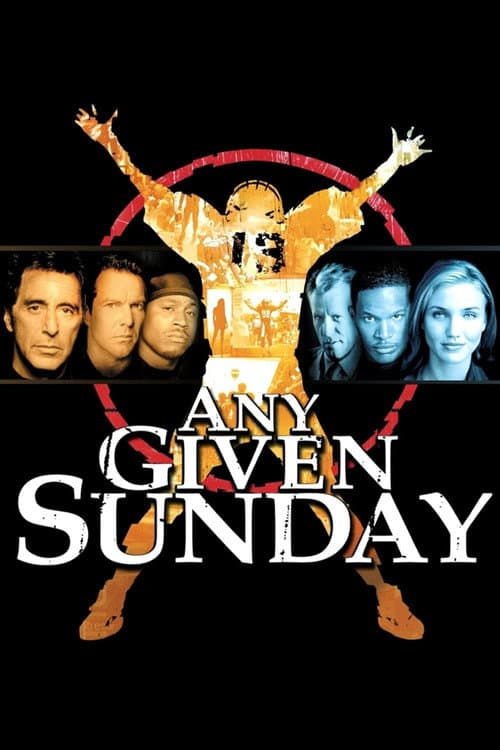 Any Given SundayDallas AnnouncerIMDb 6.8Movie
 - 1999
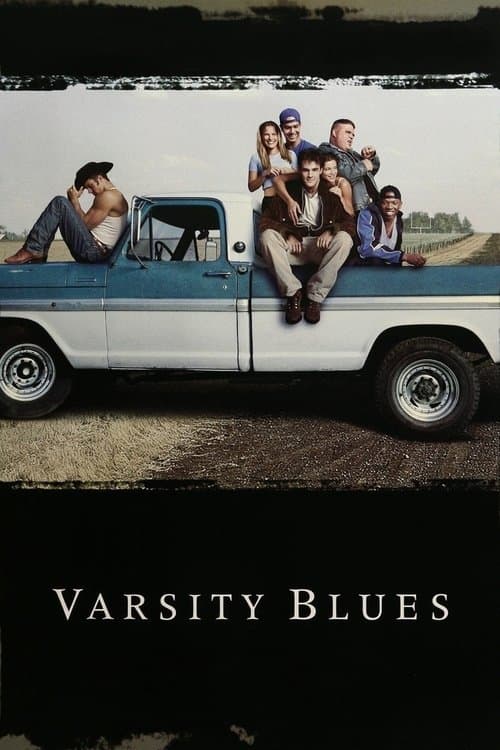 Varsity BluesBronco CoachIMDb 6.2Movie
 - 1998
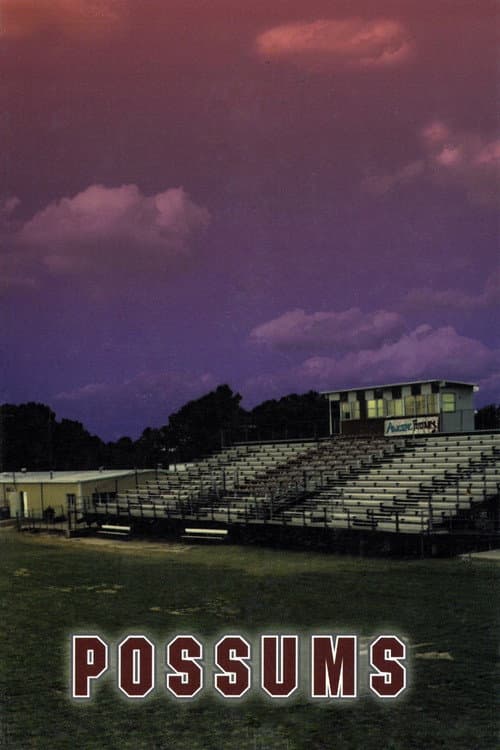 PossumsPrattville CoachIMDb 6.5Movie
 - 1996
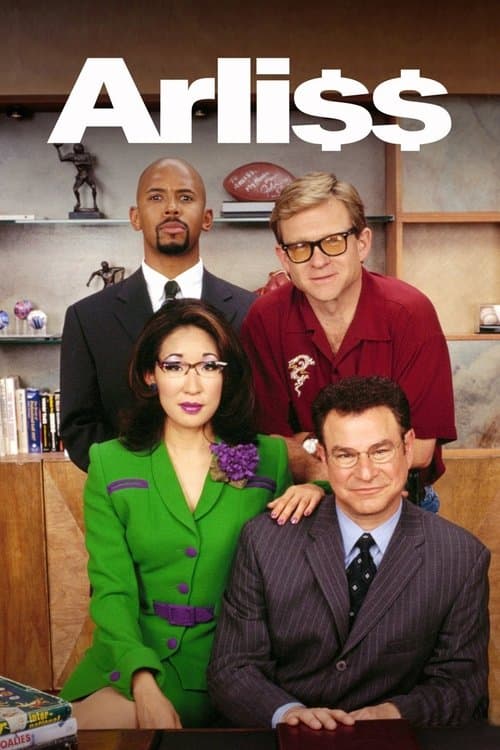 Arli$$Barry SwitzerIMDb 6.9Show
 - 19961995 Dallas Cowboys: The Official Super Bowl FilmHimselfMovie
- 1991
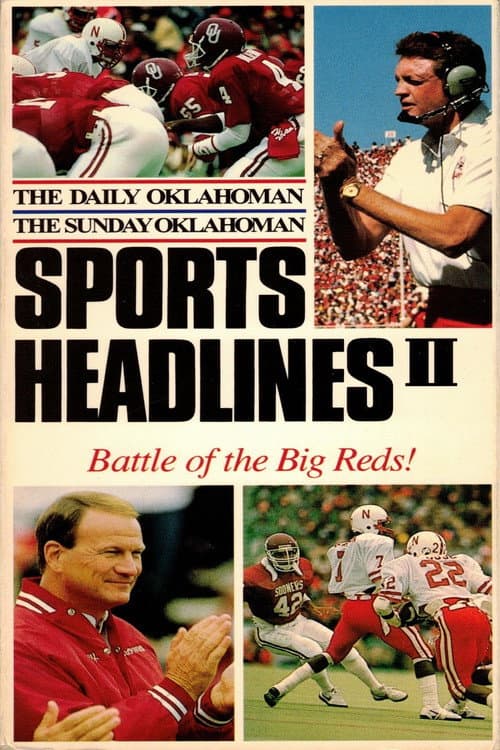 Sports Headlines II: Battle of the Big RedsSelfMovie
 - 1989
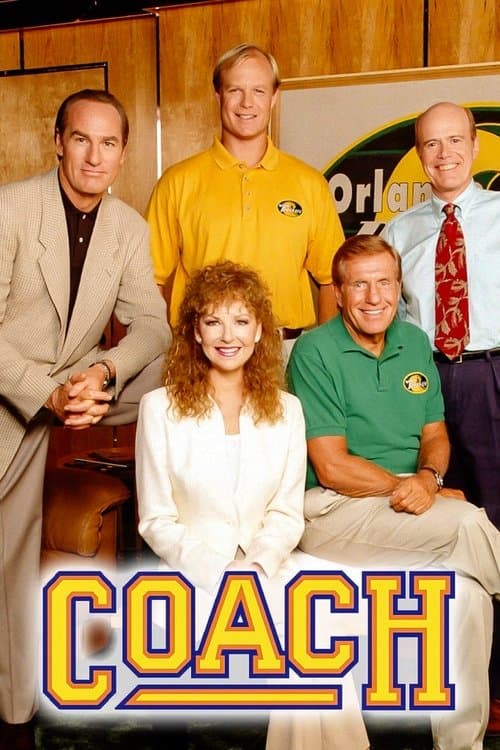 CoachBarry SwitzerIMDb 6.7Show