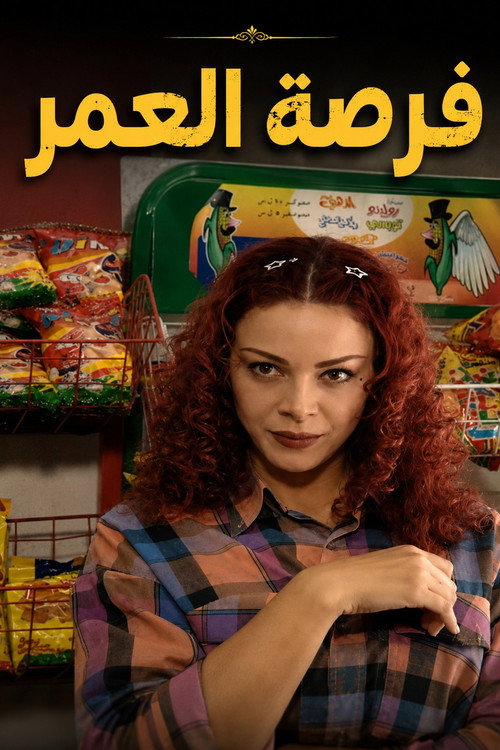
Chance of a Lifetime
Hoping to escape their debts and build a better future, Shafiq and his wife Nazira leave their small village for Damascus in search of the opportunity of a lifetime. But city life proves far more complicated than they imagined. As they bounce between unusual jobs, questionable business ventures, and encounters with all kinds of colorful characters, the well-meaning couple stumble into one ridiculous predicament after another. Blending everyday humor with sharp social satire, the series takes aim at scams, corruption, superstition, and the contradictions of modern urban life.
0 of 30 episodes
0% doneShafiq's quiet village life takes an absurd turn when a cow belonging to Naim knocks him down. Rather than admit his lack of expertise, he presents himself as a veterinarian and claims to own a device capable of identifying mad cows.
Shafiq and Nazira leave their village for Damascus in hopes of finding work and improving their lives. After taking jobs at a hotel, they set their sights on traveling abroad and turn to a travel agency promising to arrange their visas.
Struggling to cover the rent in Damascus, Shafiq looks for his cousin Saeed and hopes to find steady employment. He lands a job waiting tables at Al-Awafi Restaurant, where the demands of the work and his relationship with the owner quickly test his patience.
Inspired by news of hijackers demanding a million dollars for airline passengers, Shafiq and Nazira hatch a reckless plan of their own. They take control of a passenger bus and demand the same ransom, drawing the attention of the police and creating a chaotic standoff.
Shafiq asks his childhood friend Mazen, a physician, to help him find work and ends up as the receptionist at his clinic. Before long, Shafiq starts acting like a medical expert himself, offering patients folk remedies and advice he has no qualifications to give.
Shafiq reinvents himself as a psychic, claiming he can predict the future and even attracting television attention. As people flock to Nazira seeking answers to their problems, Shafiq's newfound reputation brings him into contact with some increasingly suspicious characters.
After helping the police recover a golden statue, Shafiq is warned to stay away from fortune-telling. He takes a new job with a businessman, only to find himself caught up in suspicious dealings involving drug trafficking and illegal currency exchanges.
Shafiq tries his hand at journalism after landing a job as a magazine photographer. His first major assignment takes him to a poetry festival, where his lack of experience threatens to turn a straightforward job into another professional disaster.
Nazira grows suspicious when Samira reads her coffee grounds and suggests that Shafiq may be seeing another woman. Shafiq insists his meetings with his cousin Nawal concern an inherited piece of land, but the property raises complications of its own.
Nazira unexpectedly reconnects with her cousin Jihad, an engineer working in construction, and Shafiq joins his business. Before long, the couple are competing to sell apartments for him, eager to cash in on what appears to be a promising opportunity.
Shafiq and Nazira take jobs at a private investigation agency and receive an assignment to locate Tamim, a man whose wife has reported him missing. The inexperienced detectives begin looking into his disappearance, hoping to uncover where he has gone.
A young man falls for Nazira's neighbor Iman and begins sending her love letters. But when the letters are mistakenly delivered to Shafiq and Nazira's home, Shafiq starts questioning his wife's loyalty, setting the stage for an embarrassing misunderstanding.
Rumors of an impending earthquake and other disasters spread panic through the neighborhood. Fearing the worst, the young man who sent love letters to Iman considers confessing his actions to her husband before it's too late.
Shafiq attracts the attention of a dog named Lulu, whose owner, Haifa, becomes concerned about the animal's health. She offers Shafiq generous pay to look after and accompany her beloved pet, giving him one of his strangest jobs yet.
Nazira has a disturbing dream about a burglary at her neighbor Samira's apartment. With Samira's valuables potentially at risk, Nazira begins wondering whether her troubling dreams are merely nightmares or warnings about events yet to come.
Shafiq receives a visit from John, who has been sent to invite him to speak at an international housing conference. The unexpected assignment puts Shafiq in the position of addressing serious global concerns, including war, famine, and disease.
Nazira surprises Shafiq by announcing that she's become a soccer coach. But several players object to having a woman in charge, prompting Shafiq to step in and help her improve the team's performance.
Shafiq finds work at a theater concession stand but tells Nazira he's actually an actor. When the show's leading performer, Hossam, fails to arrive on time, the director looks for a replacement, and Shafiq suddenly has a chance to step into the spotlight.
After Shafiq is involved in an accident and taken to the hospital, Nazira encounters a funeral bearing his name. The alarming discovery throws her into a panic as Shafiq becomes caught up in a bewildering series of events involving unfamiliar people.
Director Tarek introduces Shafiq to the world of television and helps him land a job as a cameraman on a TV program. As Shafiq adjusts to life in the studio, the involvement of Nazira, Iman, and Samira threatens to turn a routine production into chaos.
A man known as Abu Janet hires Shafiq and Nazira to help find his missing daughter, Janet, a chemist. The promise of a financial reward draws the couple into the search, but questions soon arise about the man's identity and his true reasons for seeking her.
When Samira tells Nazira about the money she earns babysitting, Nazira becomes interested in the business herself. Eager for another source of income, she tries to persuade Samira to let her join the venture.
Nazira gets into an argument with an artist named Jad after damaging one of his paintings. The incident inspires Shafiq to try painting himself, and he quickly becomes convinced that he could be the next Picasso.
When Samira mentions her search for a suitable bride for Samih, Nazira gets an ambitious idea: opening a matchmaking agency that promises marriages based on supposedly international quality standards. She and Shafiq launch the venture, only to discover how complicated managing other people's romantic futures can be.
Following their troubles in the matchmaking business, Shafiq and Nazira receive an unusual gift from the artist Jad, who later offers them an opportunity to invest in a piece of land. Hoping for a profitable new beginning, the couple and their neighbors become interested in the proposed real estate deal.
Shafiq takes a job driving for Karam, an official at the Supreme Council for Foreign Affairs. Although Karam repeatedly warns him not to speak to reporters, Shafiq finds it increasingly difficult to keep quiet when journalists begin asking questions.
Nazira spots a newspaper announcement calling for a public demonstration and enthusiastically decides to get involved. She recruits Samira and Iman to help gather a crowd, but their plans are complicated by misunderstandings about the event itself.
During an outing with their neighbors, Shafiq and Nazira believe they've discovered an oil well that could make them rich. When the news spreads, everyone wants a share of the potential fortune, igniting disputes over the land and who stands to profit from it.
Shafiq attends a campaign event for parliamentary candidate Anwar Al-Khatib and unexpectedly speaks up about the everyday struggles of ordinary people. His remarks draw attention from the crowd, pulling him into the excitement of an election despite his lack of political experience.
Now involved in parliamentary politics, Shafiq faces pressure from figures pursuing their own interests, while Nazira receives gifts and favors. When a struggling mother asks him to help her blind son obtain treatment, Shafiq must confront difficult questions about political responsibility and the needs of ordinary people.