
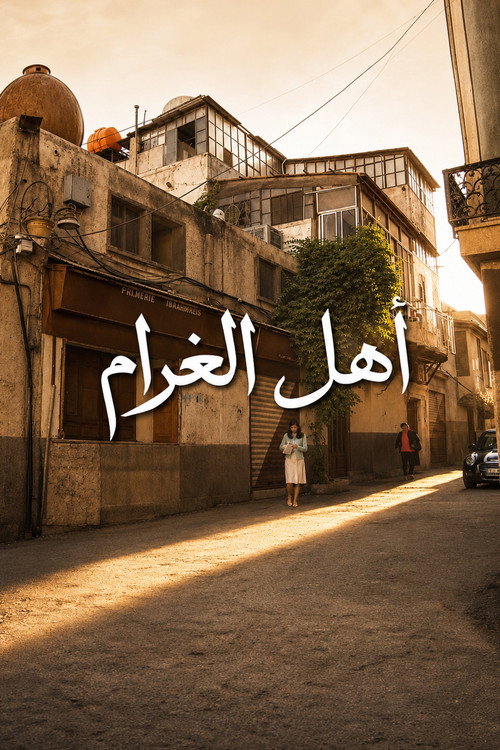
Those Who Fall in Love
This Syrian romantic drama anthology explores the complexities of love through a collection of deeply personal stories. Each story follows people whose hopes for happiness are challenged by family expectations, social pressures, financial struggles, religious differences, and the unpredictable nature of relationships. From passionate romances to heartbreaking separations, the series captures the emotional struggles of ordinary people caught between their hearts and the realities of life.
0 of 85 episodes
0% doneTayf and Zeina share a passionate romance, but financial struggles threaten their hopes of building a life together. The episode takes its title from "Kel El Qasayed" (2004), performed by Lebanese singer Marwan Khoury.
Leila finds herself falling for Dr. Jalal, a much older married man, forcing her to confront the consequences of following her heart. The episode takes its title from the song "Adaysh Helwi Hal Shaybe," performed by Lebanese singer Wadih El Safi.
Feeling neglected by his wife, Raef grows increasingly attached to Amal, the housekeeper who has become a caring presence in his life and his daughter's. The episode takes its title from "Baddi Shoufak Kel Yom," a song popularized by Lebanese singer Mohamed Jamal in the 1970s.
Psychiatrist Dina falls in love with Jawad, but their plans for marriage face an unexpected obstacle when his family background comes into question. The episode takes its title from the opening lyrics of "Ahdan El Habayeb," performed by Abdel Halim Hafez in the 1969 film My Father Is Up the Tree.
Although deeply attached to his girlfriend Bana, Tim finds himself drawn to Yasmin, leaving him torn between an established relationship and unexpected feelings. The episode takes its title from "Al Aam Al Jadeed" (2004), a duet performed by Fadel Shaker and Sherine Abdel Wahab.
After three years together, Safi and Atika face an unexpected challenge when her brother Mahjoub returns and interferes in their relationship. The episode takes its title from "Bahlam Beek," performed by Abdel Halim Hafez in the 1959 film A Love Story.
Lana struggles with her controlling mother's influence while pursuing a relationship with Mayar, who begins to recognize troubling similarities between mother and daughter. The episode takes its title from "Ana Am Bahlam" (1986), performed by Majida El Roumi on her album Ya Saken Afkari.
Adam falls for Sham, a teacher of deaf children, but meeting her family challenges his expectations about their future together. The episode takes its title from "Law Ala Albi" (2004), performed by Fadel Shaker.
Determined to pursue her doctorate, Ghazal accepts help from a well-connected acquaintance, unaware of the complications his influence could bring into her life. The episode takes its title from "We Maloh" (2005), performed by Amr Diab on his album Kammel Kalamak.
Zaid dreams of studying art in Germany, but his determination to leave creates growing tension with his girlfriend Masa, who fears losing him. The episode takes its title from "Wein Msafer," performed by Julia Boutros and released on her 1997 album of the same name.
After ending her relationship with the unfaithful Ayham, Sulaf searches for a fresh start, only to discover that finding lasting love is harder than she expected. The episode's title likely references "Habibi Ya" (2004), performed by Carole Samaha on her album Ana Horra.
Tour guide Alia develops feelings for Laith, but meeting Brian, a foreign visitor who offers the possibility of a different life abroad, complicates her romantic future. The episode's title may reference "Desert Rose" (1999), performed by Sting and Cheb Mami, although that connection has not been confirmed.
Despite their different religious backgrounds, Fadi and Leen grow up in closely connected families. When their friendship turns romantic, family expectations threaten to keep them apart. The episode takes its title from the Marian hymn "Ya Maryam Al-Bikr," performed by Fairuz and also sung in the episode by Dima Kandalaft with the Al Farah Choir.
As financial hardship pushes Hadi and Rabab toward divorce, an old flame reenters Hadi's life, complicating an already troubled marriage. The episode takes its title from "Oyoun El Alb," a classic 1970s song performed by Najat Al Saghira.
After years of marriage and the emotional strain of infertility, Hiba and Assi face difficult questions about love, sacrifice, and their future together. The episode takes its title from "Tabat W Nabat" (2005), a duet performed by Mahmoud El Esseily and Bushra.
Talented young sculptor Aya receives an opportunity to collaborate with fellow artist Fares on an exhibition, opening a new chapter in her personal and professional life. The episode takes its title from "Yalla Tnam Rima," a lullaby performed by Fairuz in the 1967 film The Guard's Daughter.
As Fares develops deeper feelings for Aya, her strong attachment to her mother presents an unexpected challenge to their growing relationship. Like the first part, this episode takes its title from "Yalla Tnam Rima," performed by Fairuz in the 1967 film The Guard's Daughter.
Hoping to impress Hamsa, Riyad pretends to be a talented poet and secretly recruits his friend Sami to write romantic verses on his behalf. The episode takes its title from "Kezbak Helw," a song popularized in the 1990s by Syrian singer Mayada Bseliss.
When Maryam's family rejects Hashem's marriage proposal, the couple considers running away together. But Hashem's hesitation threatens their plans. The episode takes its title from "Meshet Khalas" (2005), performed by Wael Jassar on his album of the same name.
Jaber's love for Maya creates a rift with his father, forcing him to rebuild his life while struggling to keep their relationship intact. The episode takes its title from "Ajmal Ihssas" (2002), performed by Elissa on her album Aayshalak.
Naghm's father refuses to approve her relationship with Nuh because of his financial circumstances, leaving Nuh to reconsider his future as another woman enters his life. The episode takes its title from "Ana Nater" (2005), performed by Kuwaiti singer Nabeel Shuail.
Feeling neglected by her busy fiancé Malik, Kinda finds comfort in a new relationship with Wajd, but moving on proves more complicated than she imagined. The episode takes its title from "Ma'asser Fiyyi" (2005), performed by Fadel Shaker.
Nada develops strong feelings for a young man she meets online, but their first face-to-face encounter puts their romantic expectations to the test. The episode takes its title from "Bhebbak Ana Ktir," performed by Wael Kfoury in the mid-2000s.
Rami hopes to secure a scholarship and build a future with his girlfriend Ghada, but interference from Seema and Nadine threatens to derail his plans. The episode takes its title from "La Bi Ahlamak" (2004), performed by Julia Boutros on her album of the same name.
Lara pursues a singing career to support her husband Hossam, but her growing success brings unexpected tensions into their marriage. The episode takes its title from "Fi Youm Wa Leila" (1978), performed by Warda Al-Jazairia, with lyrics by Hussein El Sayed and music by Mohamed Abdel Wahab.
Saif falls for Saba, a young woman working at a local store, but circumstances beyond their control threaten their hopes of being together. The episode takes its title from the opening lyrics of "Waheshni" (2003), a duet performed by Cheb Jilani and Amira Youssef.
Luna's overwhelming jealousy places an increasing strain on her marriage to Rafi, testing his patience and the trust between them. The episode takes its title from "La Tchekki Fiyi" (2006), performed by Melhem Zein.
Years after political differences prevented their marriage, Irfan Bey unexpectedly reunites with his first love, Hayat, bringing long-buried feelings back to the surface. The season finale takes its title from "Kifak Inta" (1991), performed by Fairuz and written and composed by Ziad Rahbani.