Adieu Alouette
This documentary TV series explored Quebec in the 1970s, focusing on culture and moving beyond an antiquated, folkloric view of the province.
0 of 12 episodes
0% done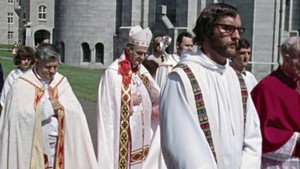
In Québec, as elsewhere, some venerable old church buildings fell to the wreckers' hammer to make way for urban development. What is said about the role of the Roman Catholic church and the priesthood is recorded in frank, perceptive interviews, including one with a young working priest who laid aside the robes of the past to don the garb of the modern generation.
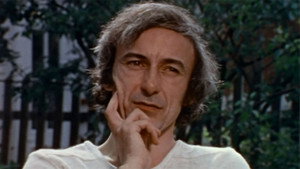
Ask any French-Canadian who tells the funniest stories, and he'll say with a chuckle, Yvon Deschamps. Now big box-office, Deschamps grew up in Montréal's inner city where, he says, mothers didn't speak, they just hit. Here he is, on and off stage, quipping, haranguing with irreverent wit--the very embodiment of Québecois humour and its unique slant on life.
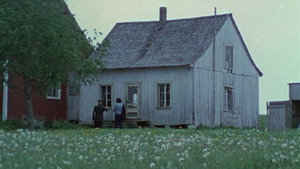
Here is the village of Ste-Justine as one gifted man, novelist and playwright Roch Carrier, remembers it. In this small corner of Québec there is space in the landscape and in the vast spread of forest, but the fringe of rocks around every field speaks of the backbreaking hardship that was the lot of Carrier's father and of his grandfather before him. This is a nostalgic view of rural Québec.
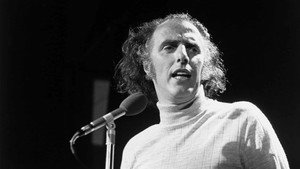
This documentary is an intimate portrait of popular French singer-songwriter Gilles Vigneault and how he helped revitalize Quebec musical culture. Vigneault shows a different side of himself as he discusses some of the themes he explores in songs like his international hit “Mon Pays.”
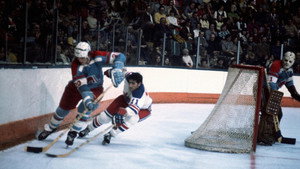
This short film takes you behind the scenes of the Quebec Nordiques. Coached by the legendary Maurice Richard, the team is playing its opening World Hockey Association game at the Quebec Coliseum. Experience the pre-game tension, the on-ice action and the dream-contract signing.
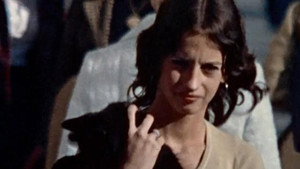
The French-Canadian woman is no longer without legal rights and career opportunities. Speaking of the struggle to bring about change, the evolving role of women in Québec society, and the challenges still ahead are Senator Thérèse Casgrain, Judge Réjane Colas, a nun, a Playboy bunny, and several feminists.

This documentary film is an exploration of Québec’s feature film industry. The film takes a look at the people who have succeeded in this unique milieu (Geneviève Bujold is one) or failed; at its movies, which run the gamut from hard-core skinflicks to such highly acclaimed films as Mon Oncle Antoine, and at its audiences, which number in the millions.
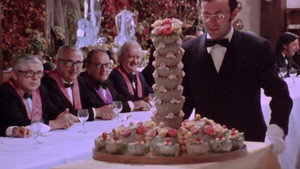
Québec has a long tradition of good eating, but the haute cuisine served at the autumn banquet of the Le Club Prosper Montagné is something that must be seen to be believed. This club is one of the oldest, most exclusive dining clubs in Québec, if not in all North America. Through the film cameras you savor the elaborate, twelve-course dinner prepared by Chef of the Year, Marcel Kretz, at Hôtel La Sapinière in the Laurentians.
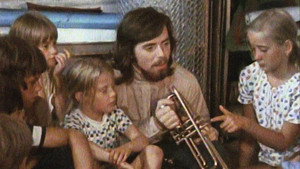
'If you want to change your country you've got to start with your own milieu.' So says one of the young social animators in this film. Made in Beauharnois and St. Hubert near Montréal, this film shows how the youth of these two industrial suburbs have involved themselves in the affairs of their community in practical, constructive ways. They've been finding the means to open a community workshop centre, and helping people with problems of housing, welfare, or drugs--all the while rejoicing in their native environment.
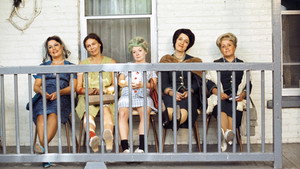
A documentary about playwright Michel Tremblay and director André Brassard’s flavourful brand of Quebec theatre, which captured the earthy wit and joual (slang) of Montreal's East End working-class neighbourhood. The film features impromptu improvisation by the cast of Les belles-soeurs and Demain matin, Montréal m'attend, two genre-defining plays.
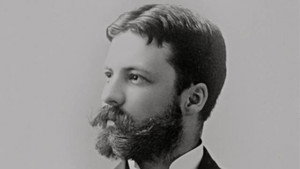
"Fais ce que dois" (Do what you must) was the motto Henri Bourassa gave to the newspaper he founded in 1910. An attitude of vigorous independence has characterized the Montréal daily ever since. This film and the following one examine Le Devoir's influence over the years, how it has interpreted and treated local, national and world issues--the wartime conscription question, for example. Interviewed in Part 1 is the founder's daughter, Anne Bourassa.
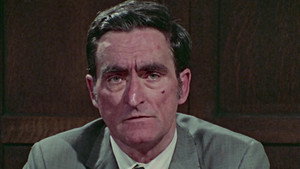
The Duplessis years, labour violence, the far-reaching policies of Jean Lesage, the B&B Commission, the emergence of the Parti Québécois, the FLQ and the October Crisis of 1970--these were tense times fraught with change. Commenting on their significance and on Le Devoir's involvement is a roster of eminent spokesmen: political leaders, historians, writers, journalists, and Le Devoir's renowned editor-publisher, Claude Ryan.