0 of 5 episodes0%
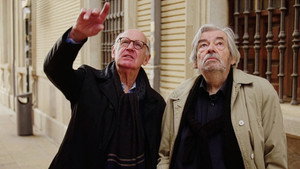
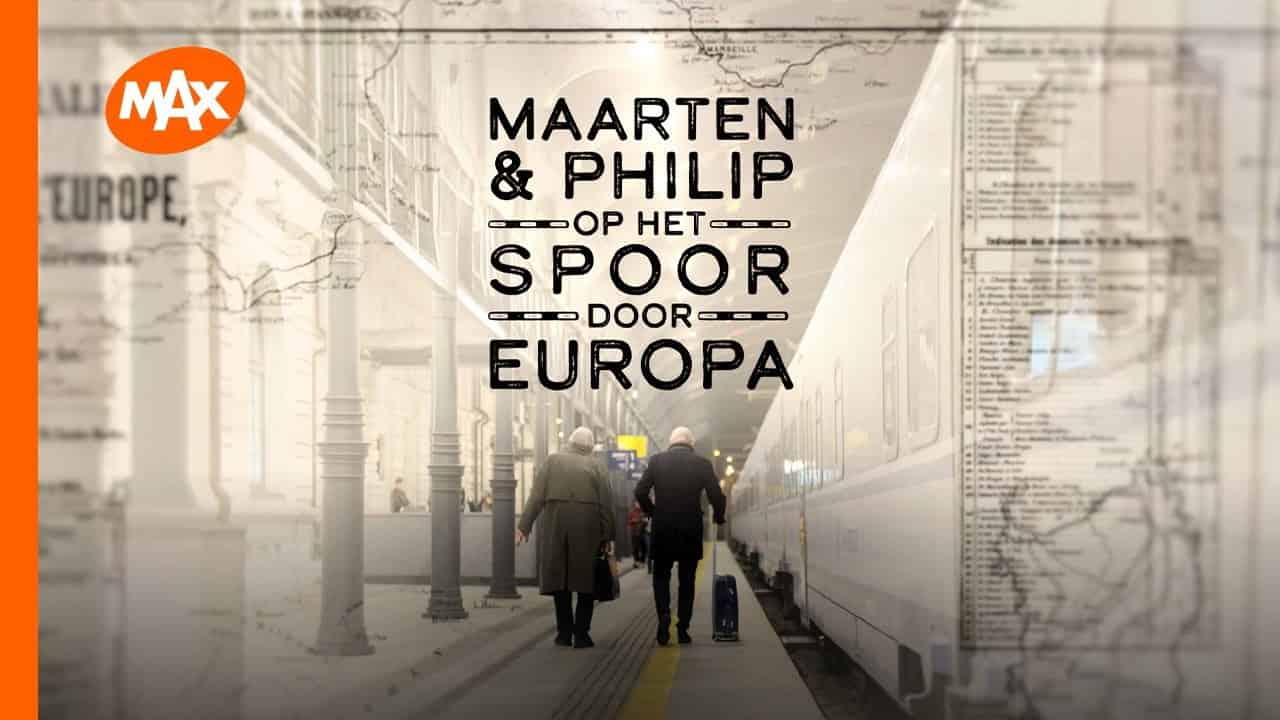
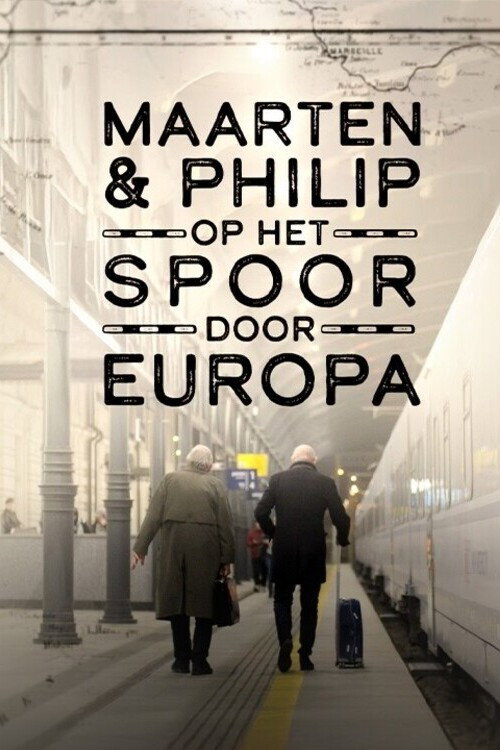
Maarten van Rossem and Philip Freriks embark on a train journey across Europe. In the elegant station restaurant of the Gare de Lyon in Paris, they feel thoroughly European. But what does that feel like in Spain? A part of Europe where, following the Romans, the Christians, and the Moors, the Americans are now also colonizing the land. Is there such a thing as a European culture?
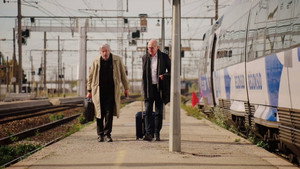
Maarten and Philip continue their journey across Europe by train. This time, they arrive in Marseille—a city made colorful by its rich diversity of cultures. In that respect, it is a quintessential European city, considering that Europeans have historically always been migrants. They travel on past picturesque coastal towns along an old railway line that proves, once again, that Europe cannot do without migrants.
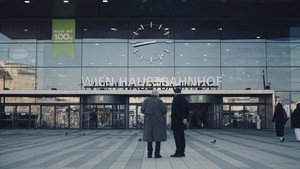
Maarten and Philip embark on a historical journey to the origins of the European Union, tracing the path back to the trauma of Munich. It was in this city that Hitler was granted his demands a move with far reaching consequences for the continent. They then continue their journey to Vienna, the majestic capital of the former Austro Hungarian Empire. There, they examine the lessons to be drawn from the reign of the Habsburgs, who played a leading role across a significant part of Europe for centuries and exerted a lasting influence on the continent's political and cultural development.
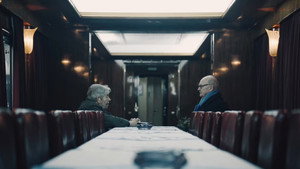
Maarten and Philip leave the European Union and travel to Serbia, a country where press freedom and the rule of law remain under pressure. They set out to find the people who have the courage to speak out against the government. During their visit, they meet students fighting for the democratization of their country and speak with a journalist who, despite constant threats, continues to warn of the dangers posed by the current regime. The report offers a compelling picture of the challenges facing champions of freedom and justice in Serbia.