American Visions
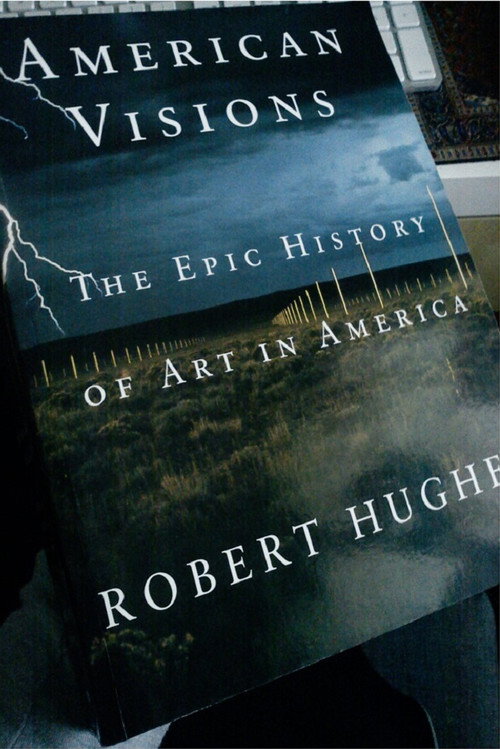
Time magazine critic and writer of the highly acclaimed study of modern art, The Shock of the New, Robert Hughes now addresses his largest subject: the history of art in America.
0 of 8 episodes
0% doneRobert Hughes charts the foundation of a national identity that sought architectural inspiration from Greece and Rome. He also looks at America's earliest major painters.
Robert Hughes explains how America was shaped by Europeans.
Art critic Robert Hughes looks at America's majestic landscapes, exploring how artists have contributed to the religious and patriotic connotations of nature.
Robert Hughes considers how the Civil War industrialised society, bringing steam power, the Brooklyn Bridge, plutocrats and an urban underclass. Nostalgia for loss entered the culture and brought the Museum Age.
Mass immigration at the turn of the century confirmed America as a multicultural society but also brought increased poverty and slum life. Robert Hughes examines how this was often reflected in art.
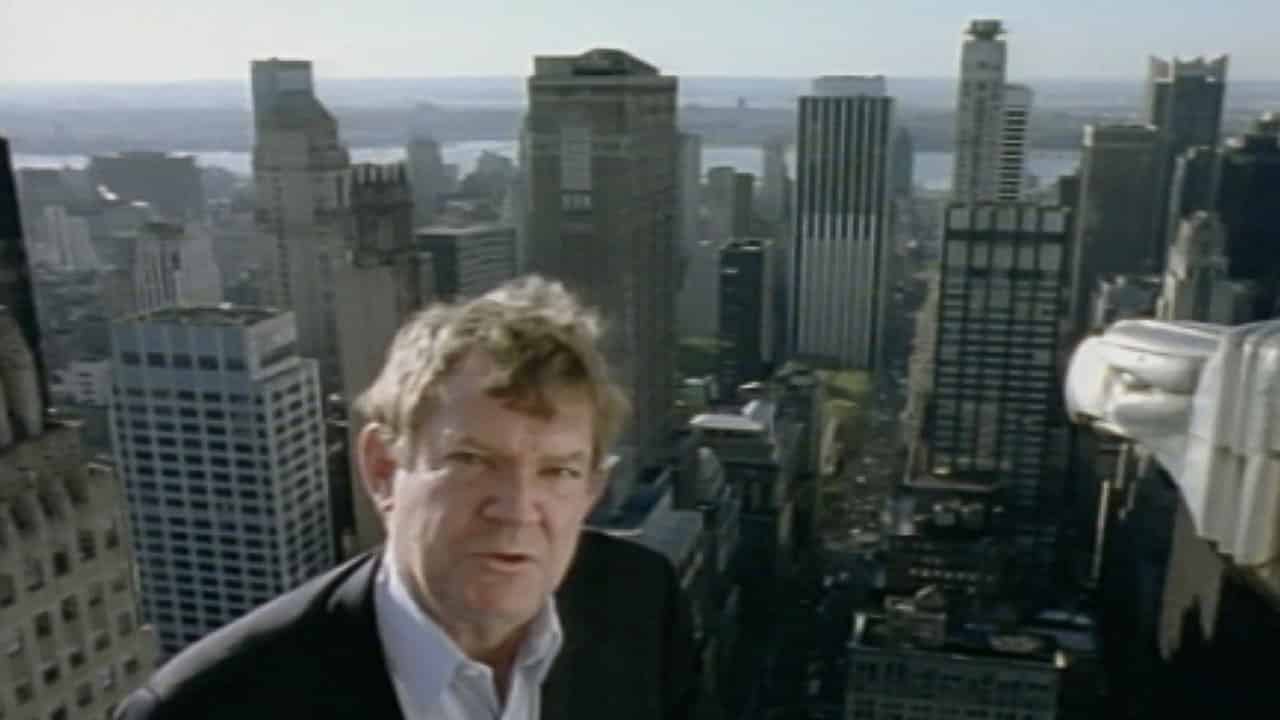
Robert Hughes considers America during the 1920s and 30s, including the skyscraper as the image of modernism, the Depression, regionalist art and black art.
Robert Hughes examines America's development into the art capital of the west between 1945 and the late 1960s, with the advent of abstract expressionism and pop art.
Robert Hughes focuses on work that responded to the Vietnam War and civil strife. He traces the development of minimalism and ends up on top of an extinct volcano.